

Every light switch, projector screen, curtain motor and AC panel in your auditorium, boardroom or home — wired into a single control layer. Since 2014, Phonics Overseas has built Integrated Automation Systems across Delhi NCR that operators and homeowners actually keep using, not gadgets that get abandoned once the novelty wears off.
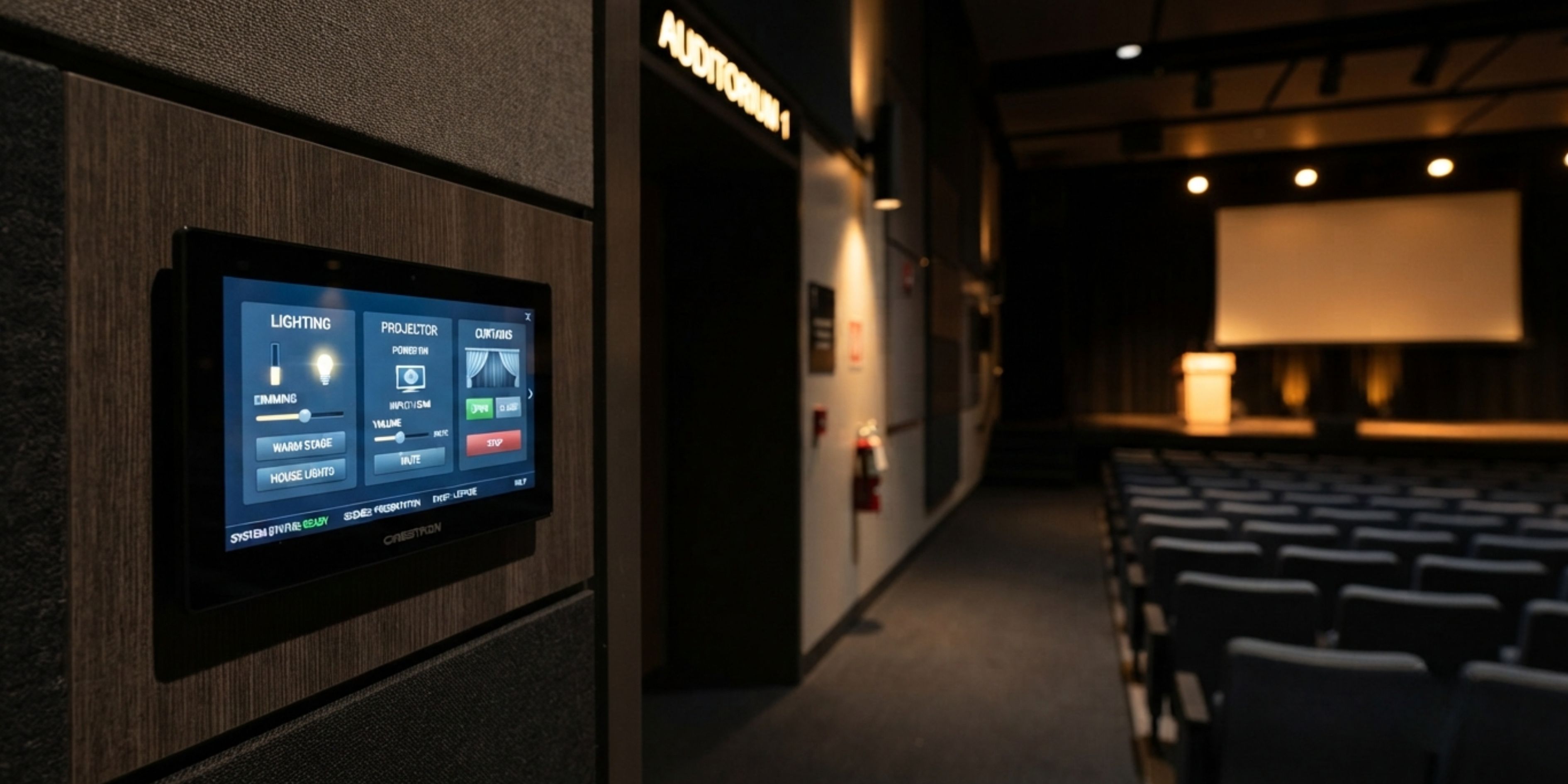
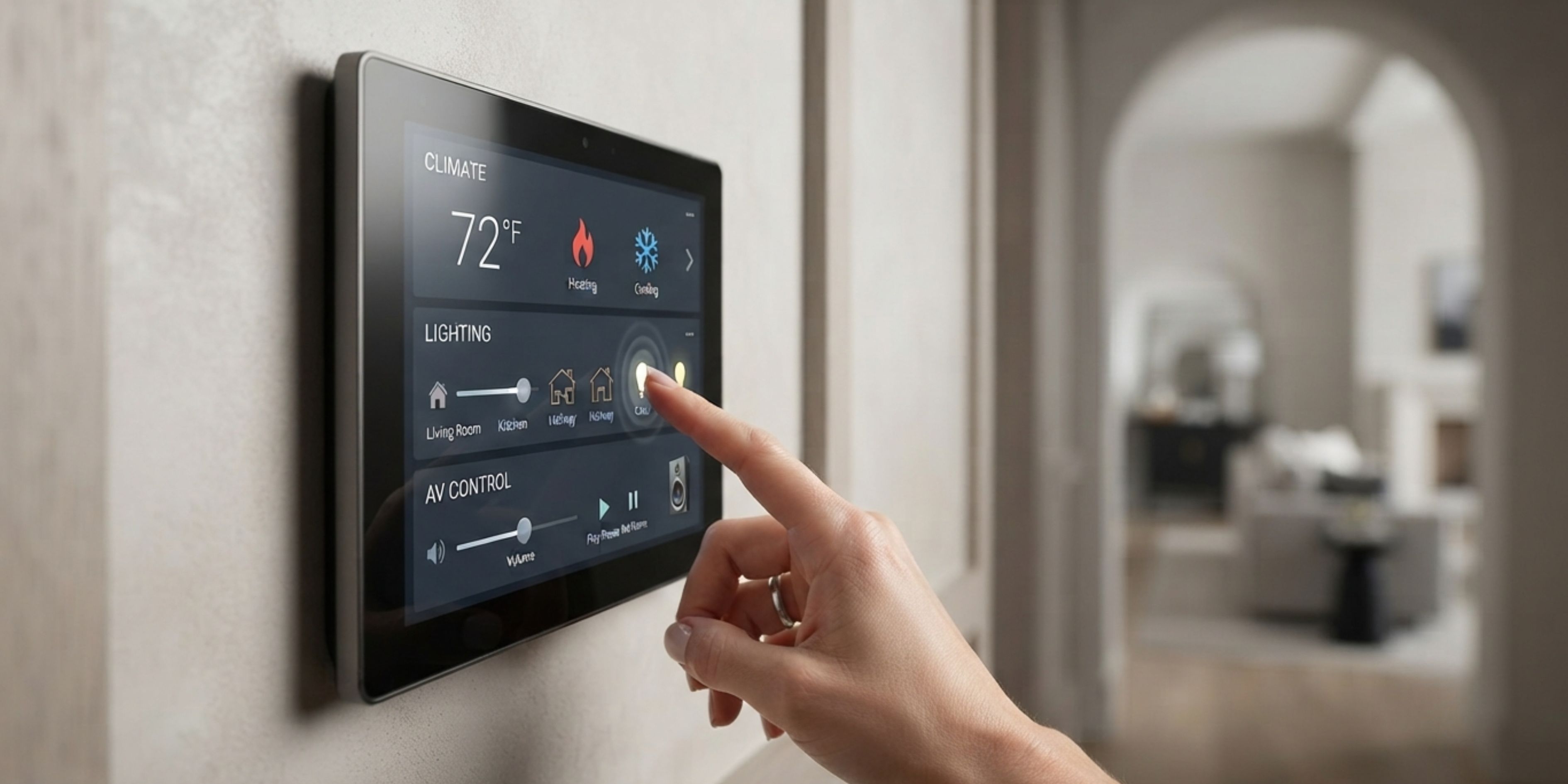
In simple terms, an integrated automation system links your lighting, audio-video equipment, HVAC, shades and security into one control network. Instead of walking to five different switchboards, a single person can dim the hall lights, lower the projector screen and adjust the AC — all from a tablet, wall panel or phone. The "integrated" part is what separates this from a shelf of disconnected smart gadgets: every device is wired or networked into one backend, so they trigger together instead of one at a time.
This coordination shows up most clearly in what we call "scene programming." A single button labelled Meeting Mode can drop the projector screen, dim the front-of-room lights, mute incoming calls and switch the AC to a comfortable preset — all in the same second. A vendor selling standalone smart bulbs and a separate smart thermostat can't offer that, because nothing in their setup is actually talking to anything else. That's usually the gap clients notice when they've tried a DIY setup before calling us.
Not every venue needs the same backbone — we pick based on whether it's new construction or a retrofit.
| Protocol | Best For |
|---|---|
| KNX / DALI | Wired, long-term installs — planned during construction |
| Zigbee / Z-Wave | Retrofits — no need to open finished walls or ceilings |
| RS232 / RS485 | AV matrix switching and projector/screen control |
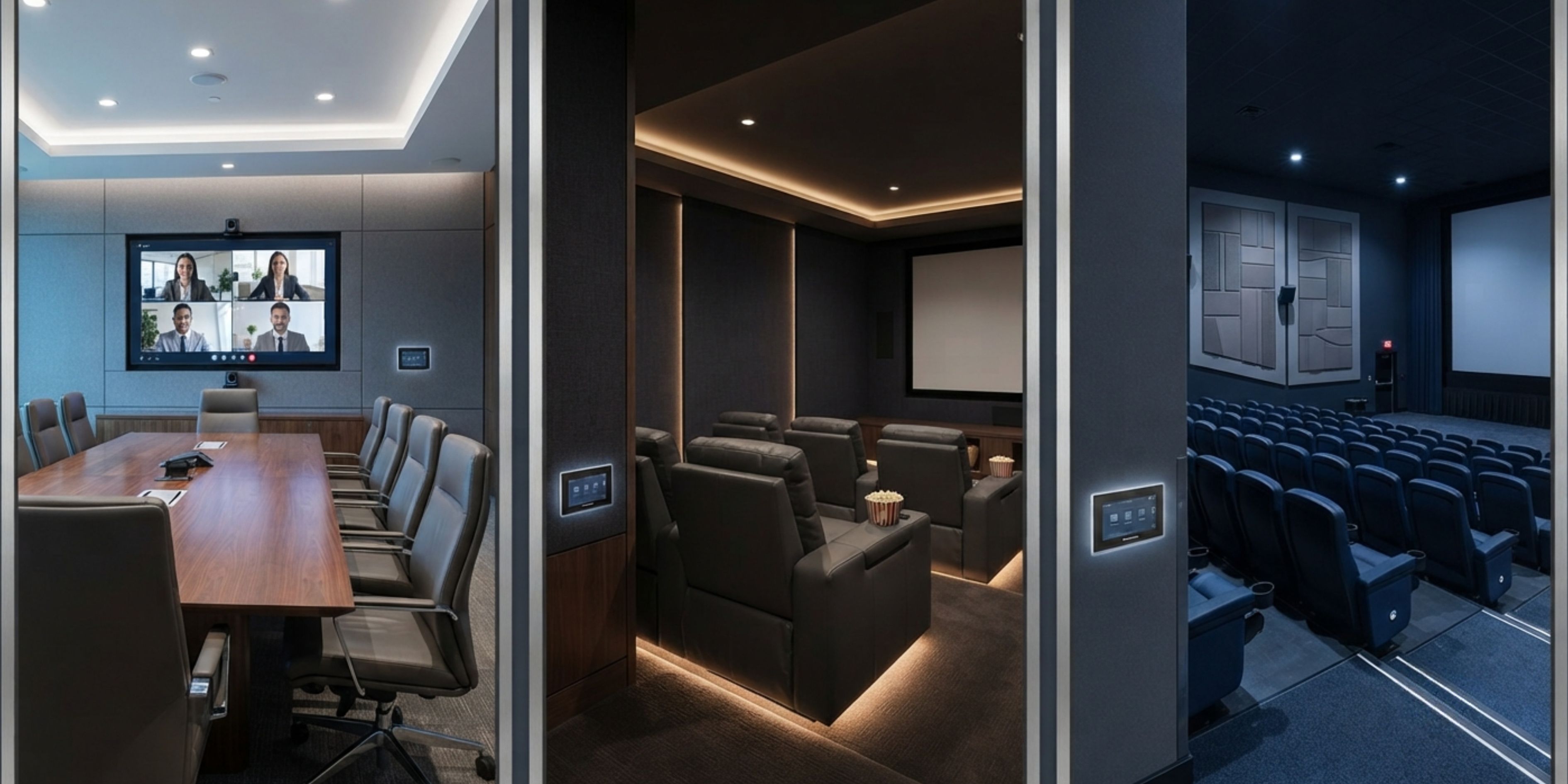
The hardware is largely the same across venues — what changes is how it's programmed, since a 500-seat hall and a family living room get used in completely different rhythms.
Preset scenes — "Show Start," "Interval," "House Lights" — so operators don't need AV training to run the hall correctly every time. Emergency lighting overrides tie into the same panel.
One-touch conferencing, automatic screen and camera positioning, and lighting scenes for presentations vs. video calls. Scheduled shutdowns stop equipment idling after hours.
Automated blackout curtains, mood lighting scenes, and app or voice control for the whole entertainment room — the same engineering, built around a household's routine instead of an event schedule.
Automation isn't only about convenience — it trims running costs in the background. Occupancy sensors switch off lights in empty green rooms or corridors. Scheduled HVAC setbacks stop the AC running full blast in a hall booked for the evening but empty at 2 PM. Daylight-linked dimming trims artificial lighting when there's enough light in the lobby already. None of it needs someone remembering to flip a switch — the system just handles it.
We usually build this in as a default rather than an add-on — a boardroom system, for instance, comes with an "unoccupied for 30 minutes" shutdown rule unless the client asks us to remove it. Most people don't notice the savings until they compare a few months of electricity bills against the same period the year before, at which point the automation system has usually already paid for a meaningful chunk of itself.
There's no shortage of vendors who can sell a smart panel. Fewer of them stick around after the invoice is paid, and fewer still design the system around how the room is actually used rather than what's easiest to install. That's the part we spend the most time getting right.
If a physical switch works better than an app for a task, we say so. The goal is a system your team still uses two years from now.
Based out of Rajouri Garden, New Delhi — our team can be on-site quickly for calibration or servicing, unlike remote vendors.
The same team that designs the layout also wires, programs and tests it — no finger-pointing between vendors later.
Systems are designed with spare capacity, so adding a zone or an AV input later is an addition, not a rebuild.
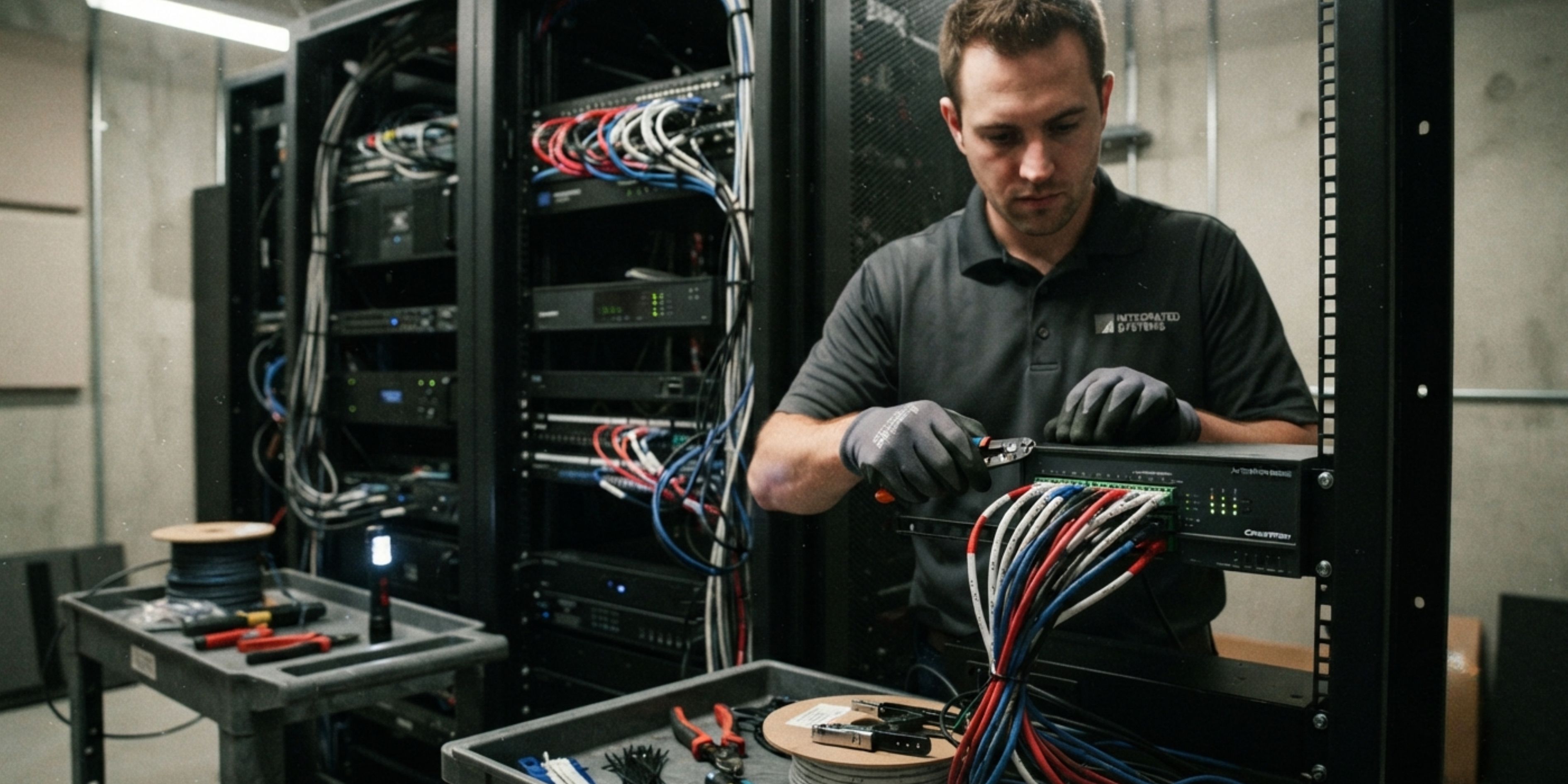
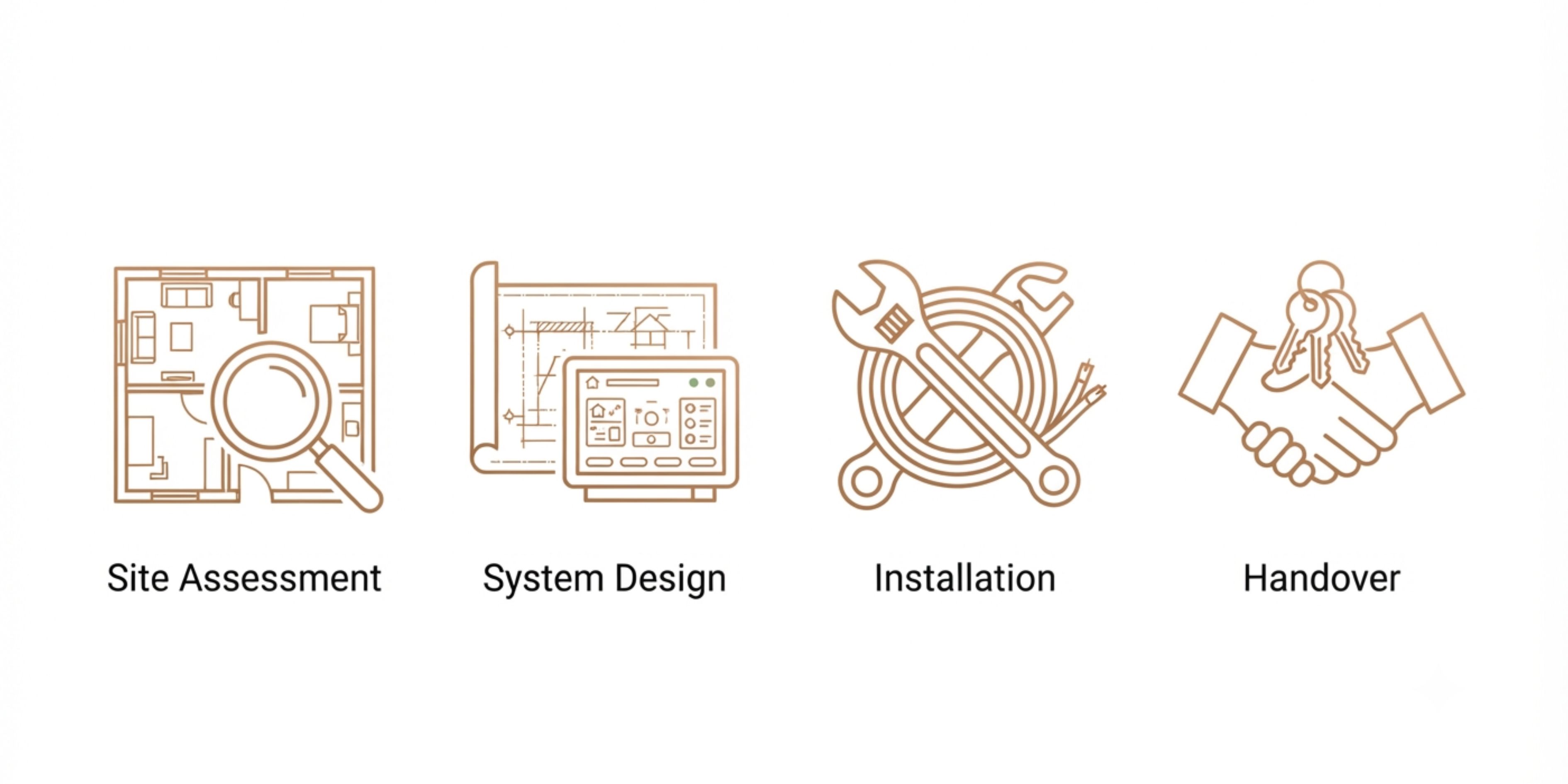
Four stages, always in the same order — skipping the assessment to save time is the single most common reason automation systems underperform after installation.
We study the space, existing wiring, and how the room is actually used before recommending wired or wireless automation.
A layout matched to room size, budget, and the protocol that fits the building — not a one-size-fits-all package.
Hardware goes in, scenes and schedules get programmed, and we walk through every scene with the client before sign-off.
Every system is tested under real-use conditions — not a quick demo — before handover, with post-installation support as usage patterns change.
Both. New builds let us run wired protocols like KNX cleanly through the walls, while existing halls are usually retrofitted with wireless modules that don't require breaking into finished ceilings.
A single boardroom can be done in a few days. A full auditorium with lighting, AV and curtain automation usually takes a few weeks, depending on the number of zones.
The interface is kept simple enough that most staff pick it up in one walkthrough. A short training session is included as part of handover.
Every system we install keeps a manual override — physical switches or a local wall panel that works independently of the app or Wi-Fi. Automation should make a room easier to run, never the only way to run it.
Talk to our team for a free site assessment and a system designed around how your space is actually used.
Get in Touch